
Blog
How to identify a fake premium liquor

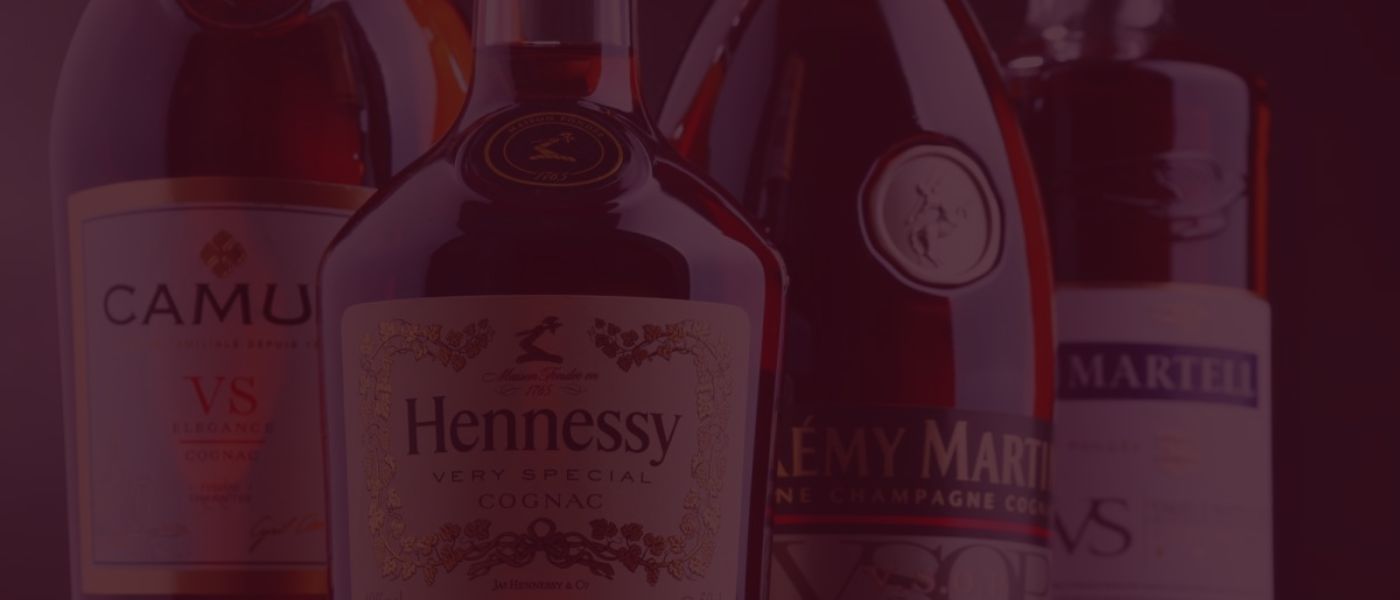
Counterfeit alcohol is a bigger problem than most people realise, and premium spirits are the biggest target of all. A bottle of well-known cognac or aged whisky can fetch a serious price, which makes it exactly the kind of product bad actors love to fake, refilling genuine bottles with cheaper spirits, or producing convincing counterfeits from scratch. Beyond the disappointment of paying premium money for something that isn’t the real thing, fake liquor can genuinely be dangerous, since counterfeiters have no reason to care what’s actually in the bottle. Here’s what to look out for before you pour.
1. Start with the seal and cap. Genuine premium bottles are sealed with precision, tamper-proof caps, foil that sits flush without wrinkles, and closures that require a satisfying, consistent resistance to open. If a seal looks loose, re-glued, slightly askew, or already broken when it shouldn’t be, treat it as a warning sign rather than a minor flaw.
2. Study the label closely. Authentic labels from major producers are printed with sharp, consistent typography, correct spelling, and precise alignment, because these brands invest heavily in their packaging. Blurry text, colours that look slightly off, fonts that don’t quite match official branding, or awkward spacing are all signs of a counterfeit trying to imitate the real thing without access to the original printing plates.
3. Check for batch codes, holograms, or verification features. Many premium spirit brands now include batch numbers, QR codes, or holographic elements specifically to combat counterfeiting. If the bottle claims to have one of these features, take the extra minute to verify it, either through the code itself or the brand’s official website. A missing or non-functional verification feature is one of the clearest red flags available.
4. Be suspicious of a price that seems too good. Premium liquor commands premium pricing for a reason, ageing, scarcity, and brand reputation all cost money. If a seller is offering a well-known aged whisky or vintage cognac at a fraction of what it should cost, that discount is rarely a genuine bargain. It’s far more often the first sign that something isn’t right.
5. Look closely at the liquid itself. Colour, clarity, and even the way the liquid moves in the bottle can tell you something. Genuine spirits have a consistent colour appropriate to their age and style, while counterfeits sometimes show unusual sediment, cloudiness, or a colour that doesn’t match what the label claims. If you’ve had the genuine product before and something looks off, trust that instinct.
6. Buy only from licensed, reputable retailers. This is, by far, the single most effective way to avoid counterfeit liquor entirely. Reputable sellers source directly from verified distributors and have every incentive to protect their reputation, while unofficial vendors, informal roadside sellers, or unusually cheap online listings carry significantly higher risk. Where you buy matters just as much as what you’re looking at.
Counterfeiters are getting better at their craft, which means the smartest defence isn’t spotting every fake on sight, it’s removing the risk before it ever reaches your table. At GoldenEve Wines, every bottle we sell is sourced through verified, legitimate channels, so when you buy from us, the only thing you need to worry about is which glass to pour it into.